A snapshot of collaboration skill.
The PAICE.work assessment examines how a person works with AI. Its purpose is to make human-side collaboration skill observable.
- PAICE.work
- AI Posture
Independent measurement. Shared progress.
We’re building the independent yardstick for AI collaboration, with open standards and practical tools to make it measurable, teachable, and governable.
PAICE.work PBC is a mission-oriented, for-profit Public Benefit Corporation.
Why this matters
What we can accomplish depends on how we work together. A learner needs useful feedback. A teacher needs a way to recognize progress. People making consequential decisions need evidence they can trust.
Our bet is that better collaboration compounds. Clearer intent, earned trust, and shared practices can improve today’s result and make the next collaboration more effective. PAICE.work PBC makes that possibility something we can investigate and build on.
Work you can explore
Different capabilities, one purpose: help people understand, improve, and trust the work they do with AI.
The PAICE.work assessment examines how a person works with AI. Its purpose is to make human-side collaboration skill observable.
One website at a time, Siteline examines whether agents can use the web on our behalf. Graceful Boundaries helps make operational limits understandable.
Legal obligations, public matters, and publication records provide a practical domain for checking AI-assisted work against evidence.
Portable records preserve positions, objections, and the human decision. Session protocols carry that accountability through ongoing work.
An example you can inspect
AIDR’s own specification decision is a published record of reviewers’ positions, disclosures, and Sam’s arbitration.
It shows a decision trail. Whether the method improves outcomes remains a question to test.
aidr / AIDR-0002 · July 2, 2026
Should the specification be ratified?Research & resources
Papers, briefs and design principles make the ideas available for inspection, discussion and use.
Watch the overview
The video summary of Aggregated Intelligence introduces the ideas behind the June 2026 executive brief.
Watch on YouTubeAccompanies the June 2026 edition. Current project roles are described in the work areas above.
The shared idea · 2026-06
Why measuring human-machine collaboration independently matters.
The measurement approach · 2026-03-31
A behavioral skill framework connected to established performance-improvement practice.
The design principles · 2026-07
Eight principles beneath Turnfile and AIDR, including preserved disagreement and human accountability.
The Aggregated Intelligence brief is available in several formats.
These works record the thinking at their publication dates. The current portfolio direction is described on this site.
What we’re committed to
A useful yardstick serves the people being measured as well as those making decisions. Our methods should be open to inspection.
Intent, disagreement, and authority belong in the record. Model agreement can inform a decision; people remain accountable for it.
We adopt existing work where it meets the need, contribute where we can, and build to fill real gaps. Wider adoption matters more than keeping a separate project alive.
Evidence changes what we pursue
Archived experiment
We explored whether a purpose-built language could make AI-to-AI communication more compact and precise. Its flagship example used more tokens than concise English, and the broader benefit remained unvalidated. We stopped investing and published the evidence, limitations, and conditions for reconsideration.
We also corrected our own post-mortem when its conclusion went beyond the evidence.
Read the findings and post-mortem
The person behind the work
In facilitation, I’ve seen better collaboration do more than improve one result. It builds trust and ways of working that make the next collaboration more effective.
PAICE.work PBC is where I’m pursuing that possibility with AI in the mix. I’m looking for people who want to help make the work useful, rigorous, and lasting.
Make a contribution
Your support can sustain independent development, strengthen the evidence, and bring this work into real settings.
Explore mission-aligned funding, the capacity it could sustain, and the next useful milestone we could pursue together.
Talk with Sam about fundingResearch, build, review, or combine efforts on a shared mission. Start with where our strengths could make a useful difference.
Explore working togetherHave a recurring task where collaboration matters? Explore a pilot with a clear result and people who can judge its usefulness.
Discuss a possible pilotA short note about your interest is enough to begin. We’ll start with what matters to you, look at the relevant work, and identify a useful next step. You can also write directly to hello@paice.work.
Structured references to AI-related obligations and their sources, connected through the Legal Graph.
Explore Every AI Law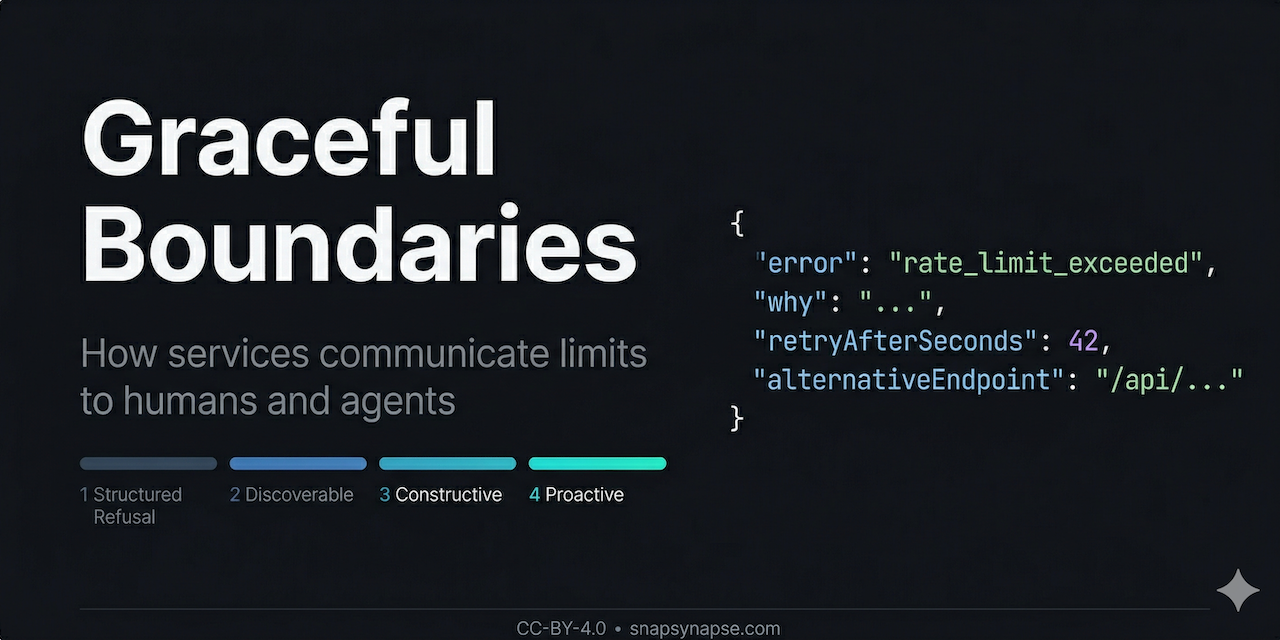
Discoverable limits, understandable refusals and useful next steps for humans and agents. An enabling standard for Siteline.
Explore Graceful Boundaries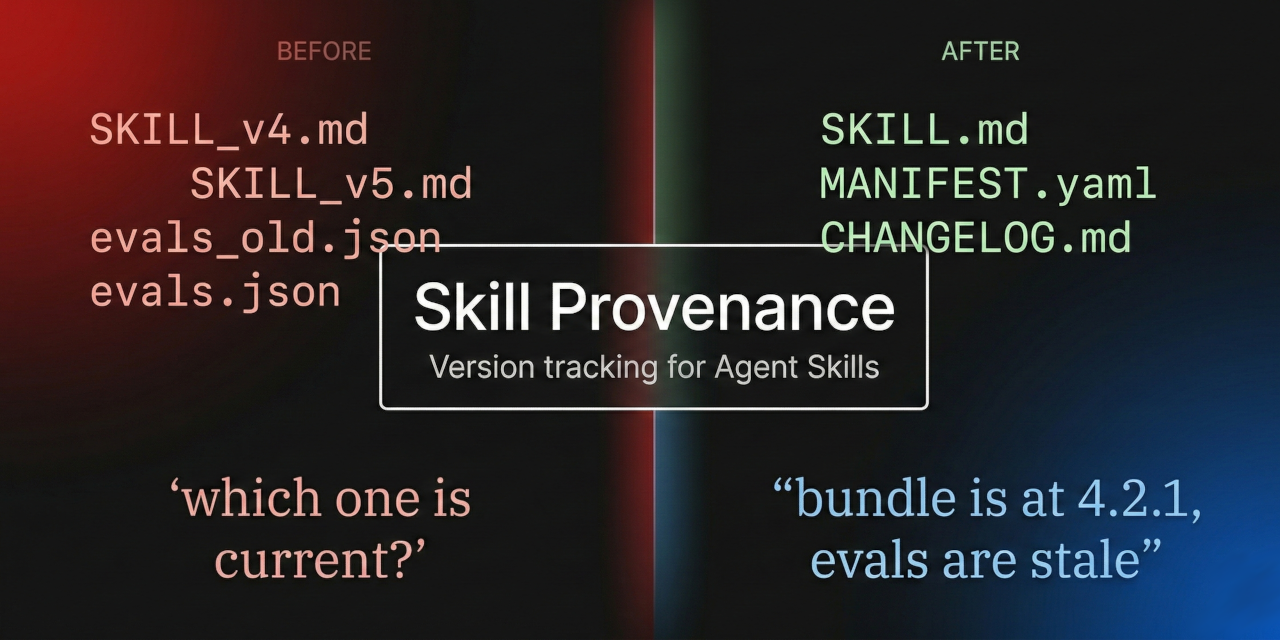
Portable identity, integrity and version history that help make work with agent skills governable.
Explore Skill Provenance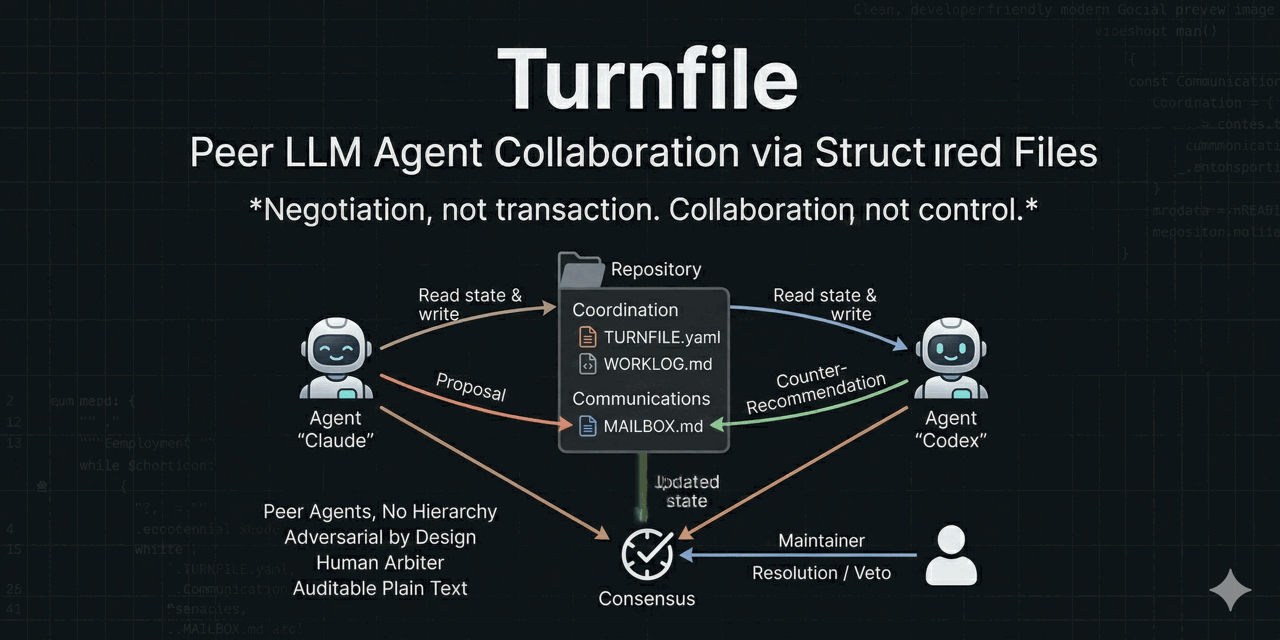
Session-scale coordination with recorded positions, preserved disagreement and human resolution.
Explore Turnfile
One portable decision record for the question, positions, objections and human decision.
Explore AIDR
Open infrastructure for simple human and machine legibility of structured knowledge.
Explore Knowledge-as-CodeAggregated Intelligence Posture: a supporting framework for understanding and communicating aggregated intelligence. Practical applications remain to be developed.
Explore AI Posture
Open recordkeeping conventions for fact-specific interpretations and administrative issuance records.
Explore PubLedge
Public-record legal and regulatory matters involving AI, with allegations and outcomes kept distinct.
Explore AI Incident Law
The shared vocabulary and validation contract connecting the Legal Graph while preserving each source's meaning.
Explore Obligation First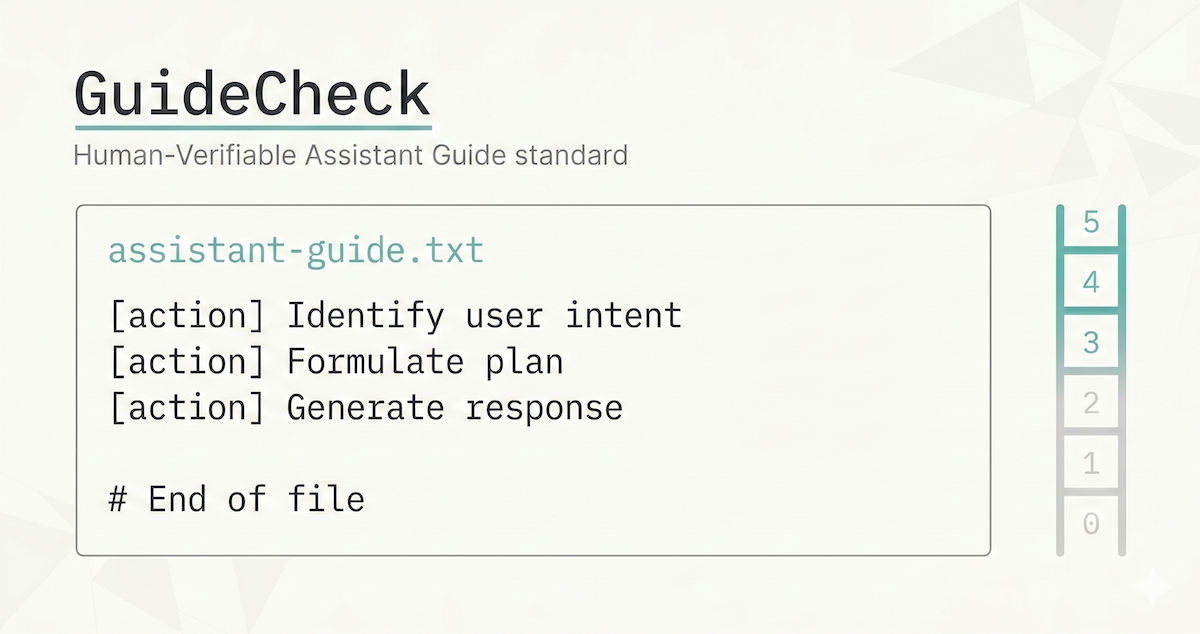
Human-reviewable installation instructions, designed to make delegated software installation inspectable. Conformance does not guarantee safety.
Explore GuideCheck

 AI Posture